
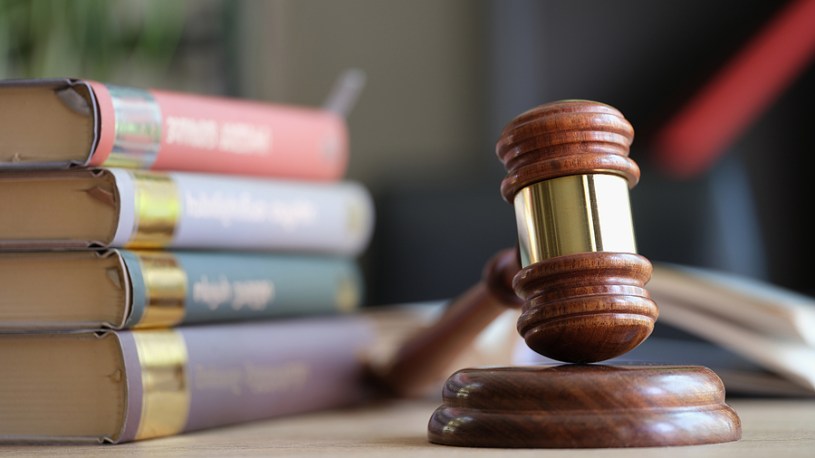
Law shapes how people, businesses, and governments interact every day. It is more than a system of rules. It is a framework that organizes society, defines rights, resolves disputes, and supports stability. When we talk about Law, we refer to the structure that gives a community the ability to function with predictability and accountability. From criminal justice to property ownership to business contracts, nearly every part of daily life is influenced by legal principles.
The development and application of law reflect cultural values, historical progress, and the needs of a society to maintain order and fairness. It is constantly evolving in response to new technology, social changes, and global influences. Because of this, understanding how law works is essential not only for legal professionals but for anyone who participates in society.
The Purpose and Role of Law
Law serves several core purposes that support social stability and individual security. These functions work together to ensure that communities thrive rather than fall into disorder.
Key purposes include:
- Maintaining order by discouraging harmful behaviors
- Protecting rights and liberties of individuals and groups
- Establishing standards that guide acceptable conduct
- Resolving conflicts fairly and transparently
- Promoting justice through accountability and equality
Law is not just about punishment. It is a system built to protect people, provide structure, and encourage fair treatment.
Law as a Social System
Every society, no matter how small or complex, has some form of legal rules. These rules can be written or unwritten, formal or informal. In modern legal systems, these rules are created through governmental processes and interpreted by courts. The aim is to create consistency so that no individual or group acts above the established rules.
When disputes arise, courts and legal authorities provide a neutral platform to settle disagreements. This prevents private retaliation or uncontrolled conflict.
Branches of Law and Their Applications
Law is divided into different branches based on the type of issues addressed. Each branch focuses on specific types of relationships, rights, and responsibilities.
Criminal Law
Criminal law deals with behaviors considered harmful to society. When someone commits a crime, the government prosecutes them on behalf of the community.
Examples of criminal offenses include:
- Theft
- Assault
- Fraud
- Homicide
Penalties in criminal cases may include imprisonment, fines, probation, or community service. The goal is not only punishment but also deterrence and rehabilitation.
Civil Law
Civil law focuses on disputes between individuals, organizations, or businesses. Instead of punishment, the goal is compensation or corrective action.
Common civil law cases include:
- Contract disputes
- Property disagreements
- Personal injury claims
- Family-related issues such as divorce or custody
In civil cases, the plaintiff seeks compensation or enforcement of a right rather than jail time for the defendant.
Constitutional Law
Constitutional law outlines the structure of government and defines its powers. It also protects individual freedoms. Every government action must comply with constitutional principles.
This branch ensures:
- Separation of powers
- Government accountability
- Protection of civil liberties such as free speech and equal protection under the law
Administrative Law
Administrative law governs how public agencies operate. These agencies create regulations that affect public life, such as environmental rules, workplace safety guidelines, and health standards.
Administrative law ensures that agencies do not exceed their authority and that individuals affected by agency decisions have recourse.
International Law
International law regulates relationships between nations. It includes treaties, trade agreements, and human rights obligations. It provides a framework for global cooperation and conflict resolution.
How Laws Are Created and Interpreted
Laws do not appear randomly. They follow structured processes to ensure fairness, clarity, and legitimacy.
Legislative Process
- Proposal: A law begins as a bill.
- Review and Debate: Legislators examine the proposal.
- Voting: The legislature votes on whether to approve the bill.
- Enactment: If approved and signed by the executive branch, the bill becomes law.
Judicial Interpretation
Even well-written laws can be unclear in certain situations. Courts interpret laws to clarify their meaning and apply them to specific cases. This process creates legal precedents that guide future decisions.
Executive Regulations
Government agencies implement laws through regulations. These rules specify how laws apply in real-world situations.
The Importance of Legal Rights and Responsibilities
Legal rights protect citizens from unfair treatment. Responsibilities ensure that individuals act in ways that respect others and support the functioning of society.
Examples of rights include:
- The right to free speech
- The right to a fair trial
- The right to own property
Examples of responsibilities include:
- Paying taxes
- Obeying laws
- Serving on juries when required
Rights and responsibilities work together to maintain balance.
How Law Affects Everyday Life
Most people interact with law daily without realizing it. Signing a lease, driving a car, starting a business, or even browsing online all involve legal rules. Law ensures that transactions and interactions are fair and secure.
Real-Life Situations Influenced by Law
- Employment: Workplace regulations ensure fair wages and safe conditions.
- Consumer Protection: Laws prevent companies from deceiving customers.
- Family Matters: Marriage, adoption, and inheritance all follow legal procedures.
- Healthcare: Medical providers must follow laws that protect patient rights and privacy.
Without law, these interactions would be unpredictable and potentially dangerous.
Careers in the Legal Field
The legal profession includes a wide range of roles beyond lawyers and judges.
Common Legal Careers
- Attorneys: Advise and represent clients
- Paralegals: Support attorneys with research and documentation
- Judges: Oversee court proceedings and deliver rulings
- Mediators: Help resolve disputes outside court
- Compliance Officers: Ensure organizations follow legal standards
Success in legal careers requires strong analytical thinking, communication skills, ethical judgment, and attention to detail.
Legal Ethics and Professional Responsibility
Ethics are central to legal practice. Lawyers and judges must act with integrity, confidentiality, and fairness. Misconduct can undermine public trust and harm individuals.
Key ethical principles include:
- Honesty
- Respect for client confidentiality
- Avoidance of conflicts of interest
- Commitment to justice and fairness
Technology and the Future of Law
Technology is rapidly influencing how legal services are delivered. Digital research tools, online dispute resolution platforms, and automated document systems are becoming common.
However, while technology increases efficiency, human judgment remains essential. Interpretation, advocacy, and empathy cannot be fully automated.
FAQs About Law
What is the difference between criminal and civil law?
Criminal law deals with offenses against society, leading to penalties such as imprisonment or fines. Civil law involves disputes between individuals or organizations and typically results in financial compensation or corrective action.
Why are legal rights important?
Legal rights protect individuals from abuse of power and ensure fair treatment. They create a foundation that supports freedom, security, and equality.
What happens if a law becomes outdated?
Laws can be amended or repealed through legislative processes. Courts may also adapt legal interpretations to reflect current conditions.
Do all countries follow the same legal system?
No. Some countries use common law systems, others use civil law systems, and many use a mix of both. Cultural history influences legal development.
Can a person represent themselves in court?
Yes, individuals may represent themselves, although legal representation is often recommended because legal procedures can be complex.
How does law affect business operations?
Businesses must follow laws related to taxation, employment, contracts, safety, and consumer protection. Failure to comply can result in fines, lawsuits, or operational restrictions.
Are all legal cases resolved in court?
No. Many disputes are settled through negotiation, mediation, or arbitration to save time and reduce conflict.
What qualities are important in legal professionals?
Strong reasoning skills, effective communication, ethical awareness, and the ability to analyze complex situations are essential qualities in the legal field.

