
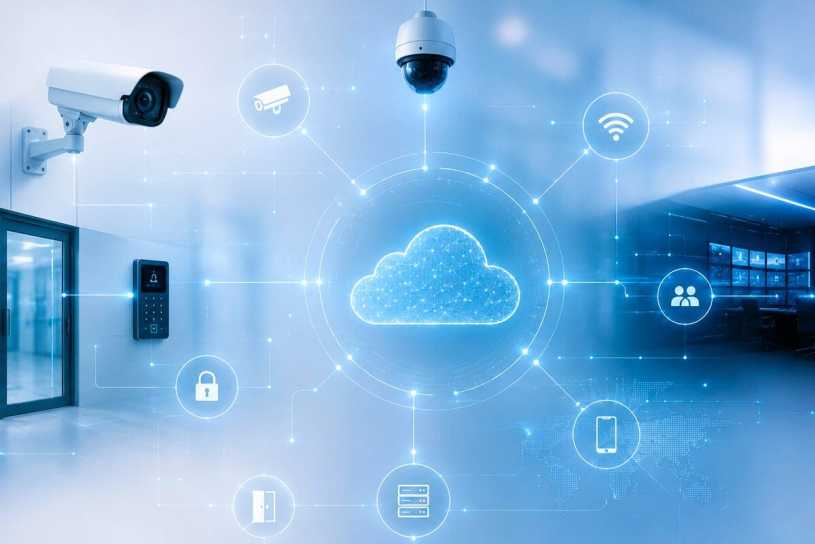
Video security has evolved from basic recording systems into connected solutions that support monitoring, access control, analytics, and content protection. Modern organizations increasingly need security systems that can adapt to changing digital environments.
As cameras and connected devices generate growing volumes of video, selecting suitable technologies requires careful consideration of protection, scalability, accessibility, and system integration. Reviewing the Top 10 Video Security Solutions can help organizations understand the broader capabilities available to protect visual data and meet modern security requirements.
Building Stronger Security With Top 10 Video Security Solutions
Modern video security requires more than recording footage, with organizations increasingly focusing on access, monitoring, analytics, and reliable protection across connected environments.
1. Intelligent Video Monitoring
Modern video security systems can provide continuous monitoring across physical and digital environments. Intelligent features may help identify unusual activity, movement patterns, or specific events that require attention. Instead of relying entirely on manual observation, organizations can use automated alerts and centralized dashboards to improve visibility. Effective monitoring can also help security teams respond more efficiently when incidents occur. Overall value depends on accurate configuration, appropriate camera placement, reliable connectivity, and clear procedures for reviewing and responding to alerts.
2. Advanced Video Analytics
Video analytics can transform recorded or live footage into useful information. Depending on the system, analytics may support object detection, movement analysis, people counting, or event classification. These capabilities can reduce the amount of footage security teams need to review manually. However, organizations should consider accuracy, environmental conditions, processing requirements, and privacy responsibilities before implementation. Analytics work best when integrated with clear operational procedures and used to support, rather than replace, appropriate human oversight.
3. Centralized Security Management
Managing multiple cameras, devices, and security feeds from separate interfaces can create unnecessary complexity. Centralized platforms provide a unified environment where authorized teams can monitor systems, manage configurations, review events, and access relevant information. This approach can improve operational visibility while making routine administration more manageable. Organizations with multiple facilities or distributed infrastructure can particularly benefit from centralized management. Clear user permissions and administrative controls remain important to ensure that only appropriate personnel can access sensitive security information and system functions.
4. Secure Video Storage
Video footage can contain sensitive information, making storage security an important consideration. Organizations should evaluate where footage is stored, how long it is retained, who can access it, and how it is protected from unauthorized use. Encryption, authentication, access controls, and appropriate retention policies can help strengthen storage security. Cloud and on-premises approaches each have different operational considerations. The most suitable option depends on factors such as data volume, infrastructure, compliance requirements, accessibility needs, and organizational security policies.
5. Remote Access and Connectivity
Connected security systems allow authorized personnel to access video feeds and security information from different locations. Remote access can support distributed operations, centralized security teams, and faster incident response. However, connectivity also introduces additional security considerations. Organizations should use strong authentication, controlled permissions, secure communication channels, and appropriate device protections when enabling remote access. Regular reviews can help identify inactive accounts, unnecessary permissions, or outdated access methods that may increase exposure within connected security environments.
Intelligent Video Protection Across Connected Environments
Connected surveillance environments require coordinated protection across cameras, networks, applications, storage systems, and users. Security planning should therefore consider the entire technology ecosystem, not individual devices alone.
Organizations can strengthen their approach by evaluating Top 10 Video Security Solutions alongside secure device configurations, authentication, network protection, controlled access, monitoring, and regular system updates. Integration between physical security and cybersecurity teams can also improve visibility into risks that cross traditional boundaries. As organizations adopt cloud-connected cameras and intelligent analytics, they should establish clear governance for data access, retention, and system administration. A layered approach allows security teams to address multiple points of exposure while maintaining operational flexibility.
Evaluating Top 10 Video Security Solutions for Modern Needs
Selecting video security technology requires organizations to compare capabilities according to their operational environment, security objectives, and technical requirements.
- Scalability: Solutions should support expansion across additional cameras, facilities, users, or workloads without creating unnecessary management complexity.
- Integration: Compatibility with existing security infrastructure, applications, storage systems, and access controls can simplify implementation.
- Analytics: Intelligent analytics can help security teams identify relevant events and reduce reliance on continuous manual footage review.
- Data Protection: Encryption, authentication, permissions, and retention controls can help protect sensitive video information from unauthorized access.
- Reliability: Stable infrastructure, monitoring, backup processes, and appropriate redundancy can support consistent security operations.
- Usability: Clear dashboards and practical workflows can help authorized personnel manage alerts, footage, devices, and security events more efficiently.
Evaluating scalability, integration, analytics, protection, reliability, and usability helps organizations select video security solutions that align with their operational and security requirements.
Strengthening Video Security Through Layered Protection
No single technology can address every security requirement. Organizations can combine several protective measures according to their risk profile and operational needs. Camera security, access controls, encryption, monitoring, secure storage, and incident-response procedures can work together as complementary layers. Regular testing and system reviews can help identify configuration weaknesses, outdated components, and potential vulnerabilities before they affect operations. Staff training is also important because security depends on how systems are configured, maintained, and used.
Clear access policies can further limit unnecessary exposure to sensitive footage and connected systems. A layered approach provides organizations with greater flexibility to adapt security controls as technologies, threats, and operational requirements change. By reviewing each layer regularly, organizations can maintain a more consistent and resilient approach to protecting video systems and associated data.
Conclusion: Advancing Connected Video Security
The future of video security involves combining intelligent monitoring with secure data management, controlled access, analytics, and scalable infrastructure. Organizations can make more informed technology decisions by evaluating functionality alongside integration, reliability, privacy, and long-term operational requirements.
For organizations seeking a broader approach to digital content protection, Doverunner provides security solutions covering multi-DRM, forensic watermarking, distributor watermarking, anti-piracy monitoring, and secure content packaging. These solutions protect video and streaming content across browsers, mobile applications, smart TVs, and connected devices, with capabilities for licensing, watermarking, monitoring, and secure playback. These technologies can complement wider security strategies where protecting valuable digital video content is a central requirement.

