
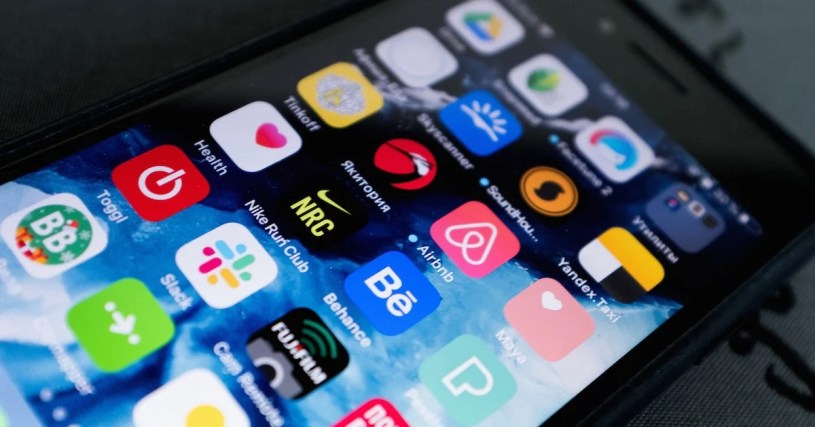
Mobile experiences have become central to how people work, connect, shop, and interact daily. The landscape evolves fast, and companies that pay attention to Mobile App Development Trends gain an early advantage. New technologies are making apps more personalized, faster, more intuitive, and better integrated with everyday life. Understanding these trends helps businesses and developers align product roadmaps, avoid outdated solutions, and create apps that truly meet user expectations.
The Shift Toward Intelligent and Personalized User Experiences
Users expect apps to understand their behaviors and interact with them in a customized, meaningful way. This shift is driven by advancements in machine learning, data analytics, and predictive modeling.
How Personalization is Being Achieved
- Apps analyze in-app user actions, location, and past behavior to tailor recommendations
- On-device machine learning optimizes privacy and response times
- Adaptive UI changes layout or tone based on user preferences
This moves apps beyond static screens and turns the experience into a dynamic, context-aware assistant.
5G Integration and Performance Enhancement
Faster network speeds change what apps can do. 5G is not just about speed; it reduces latency and enables real-time communication.
Benefits of 5G for Mobile Apps
- Smoother video and audio streaming
- Enhanced performance for cloud-based apps and gaming
- Improved support for AR and VR-powered applications
- Faster data sharing and live collaboration
Industries like healthcare, education, and online retail will increasingly rely on 5G-enabled mobile applications to offer real-time interactions with minimal delays.
Progressive Web Apps Gaining Momentum
Progressive Web Apps combine the accessibility of websites with the functionality of native mobile apps. They are especially valuable for businesses seeking lower development costs while still offering a full mobile experience.
Why PWAs Are Growing
- No app store download required
- Fast loading capabilities even with weak network connectivity
- Automatic updates without user action
- Works across browsers and devices
For businesses targeting emerging markets or broad audiences, PWAs offer a powerful balance of cost-efficiency and usability.
Cross-Platform Development for Faster Deployment
Organizations are looking to streamline development. Cross-platform frameworks allow a single codebase to be used across Android and iOS, reducing time and cost.
When Cross-Platform Makes Sense
- Startups testing early business models
- Apps focused on general UX rather than heavy device-specific features
- Companies needing uniform branding and performance across devices
However, apps requiring intense graphical capabilities or deep integration with hardware may still benefit from native development.
Advancements in Mobile Security
As mobile use increases, so does risk. Security is now a core part of planning rather than an afterthought.
Key Security Enhancements
- Biometric authentication (face, fingerprint, iris scanning)
- Encrypted local data storage
- Zero-trust security models
- On-device fraud detection using machine learning
Developers must not only secure app data but also educate users on best practices during onboarding and regular interactions.
Growth of Super Apps and App Ecosystems
Many users prefer having fewer apps that do more. This has led to the rise of super apps that bundle multiple services, such as communication, payments, shopping, booking, and entertainment, under one interface.
What Makes Super Apps Effective
- A unified user account for multiple services
- Seamless navigation between features
- Built-in digital wallet integrations
- Personalized recommendations based on user usage patterns
Super apps succeed best in markets where convenience and cost savings matter deeply to consumers.
Voice Interaction and Conversational Interfaces
Voice control is shifting from a novelty into a daily interaction tool. Natural language processing has made voice recognition more accurate and context-aware.
Common Use Cases
- Hands-free navigation and searches
- Customer service bots that reduce call center load
- Voice-based shopping and device commands
As interfaces evolve, apps will become more conversational and less dependent on taps and menus.
AR and VR Transforming Digital Interaction
Augmented and virtual reality are no longer limited to gaming. Retail, real estate, healthcare, and education are integrating AR/VR to improve the user experience.
Examples of Practical AR/VR Features
- Virtual try-on tools in shopping apps
- Remote medical consultation simulations
- Real estate tours without site visits
- Immersive training environments
These immersive technologies increase trust and engagement while reducing uncertainty in decision-making.
On-Device AI for Faster Performance and Privacy
AI tasks processed directly on the device, instead of a remote server, deliver faster results and stronger privacy.
Advantages of On-Device AI
- Lower response time due to no server dependency
- Improved user privacy since data does not leave the phone
- Reduced server infrastructure costs for businesses
This trend is especially useful for camera apps, image recognition, personalization engines, and accessibility features.
Sustainability and Low-Resource App Development
Developers are paying attention to battery usage, storage size, and efficient app architecture. Users prefer lightweight apps that run smoothly on older devices.
Techniques Supporting Sustainability
- Efficient coding practices to reduce app size
- Avoiding unnecessary background processes
- Offering offline or low-bandwidth modes
- Server-side processing to reduce battery strain
This approach also opens apps to broader audiences globally.
Integration with Wearables and IoT Devices
Mobile phones serve as controllers for smart devices, fitness trackers, cars, and home automation systems.
App Developers Are Focusing On
- Real-time sync between devices
- Health tracking with personalized feedback
- Intuitive dashboards to manage home automation
- Voice and gesture controls for accessibility
As IoT expands, apps that can link multiple devices under one ecosystem will stand out.
Blockchain for Security and Transparency
Blockchain is being applied beyond cryptocurrency. Mobile apps use blockchain for identity verification, secure transactions, supply chain transparency, and medical records.
Benefits of Blockchain in Mobile Apps
- Tamper-proof data storage
- Transparent transaction histories
- Reduced fraud risk
- Greater user ownership of data
These improvements build trust in digital transactions, especially in finance and healthcare sectors.
FAQs
How can a business choose which mobile app trends to invest in?
Focus on trends that directly support user needs and business goals. Avoid chasing trends for novelty. Conduct user research, analyze industry data, and align technology adoption with clear outcomes.
Do apps always need AI features to stay competitive?
Not always. AI should improve the user experience, not complicate it. For many applications, strong performance, good design, and reliability matter more than advanced features.
Are native apps becoming outdated with cross-platform development growing?
No. Cross-platform frameworks have improved, but native development is still ideal for performance-intensive apps like mobile games, camera apps, or AR applications. The best choice depends on functionality requirements.
How can companies reduce app development costs while staying innovative?
They can use modular development, adopt cross-platform frameworks, build MVPs first, and focus on essential features. Releasing smaller but functional updates improves efficiency.
What is one of the biggest mistakes companies make in mobile app development?
Launching without ongoing improvement. Apps must evolve with user needs and technology changes. Continuous updates, testing, and feature enhancements ensure long-term relevance.

